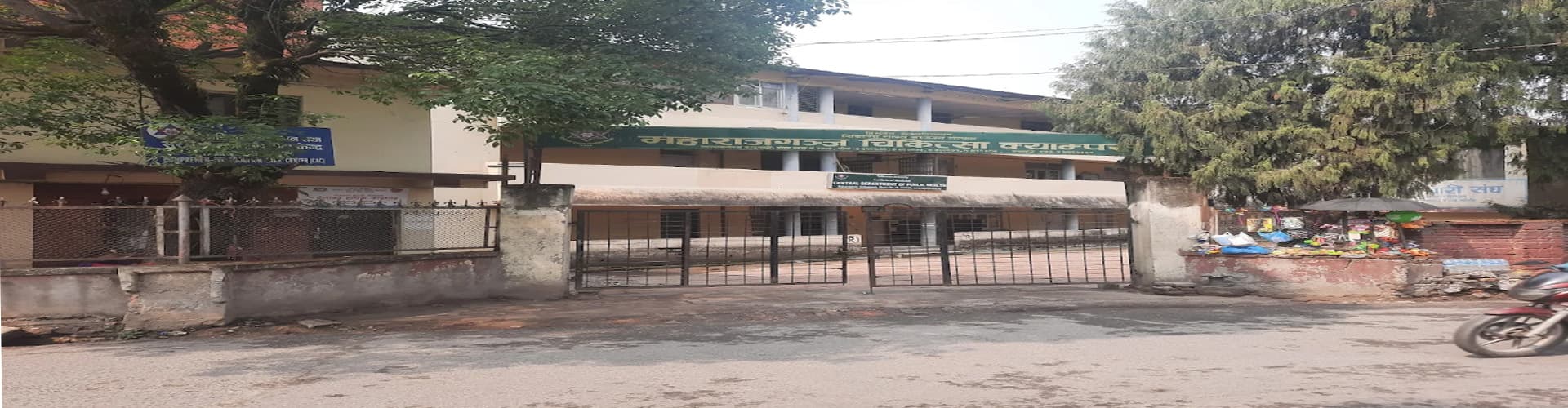
Master of Science (MSc) Medical Imaging Technology is a 2 Year course by Tribhuvan University, Institute of Medicine.



Duration
Discipline
Level
Affiliation
Last Updated
S.No. | Subjects | Marks |
1 | Basic Health Science (Anatomy and Physiology) | 30 |
2 | Basic Health Science (Microbiology/ Biochemistry/ Pathology/ Pharmacology) | 20 |
3 | Biostatistics and Research Methodology | 20 |
Core Subjects | ||
4 | Radiographic Technique | 20 |
5 | Fluoroscopic Procedures | 20 |
6 | CT Procedures | 20 |
7 | MRI Procedures | 20 |
Radiological and Imaging Physics | ||
8 | General Radiography | 10 |
9 | Fluoroscopy | 8 |
10 | CT | 8 |
11 | MRI | 8 |
12 | Ultrasonography | 8 |
13 | Radiation Protection | 8 |
200 | ||
Understand principles of medical imaging systems
Operate and manage MRI, CT, X-ray, and ultrasound equipment
Analyze and interpret medical images accurately
Ensure patient safety and radiation protection
Apply imaging in diagnosis and clinical decision-making
Maintain imaging equipment and manage imaging data
Conduct research in medical imaging technologies
Prepare for careers in hospitals, diagnostics, or research labs
This program focuses on advanced imaging techniques used in medical diagnosis and treatment. It trains students to operate, analyze, and interpret imaging technologies like X-ray, CT, MRI, and ultrasound, combining technical skills with clinical knowledge.